
 By
By 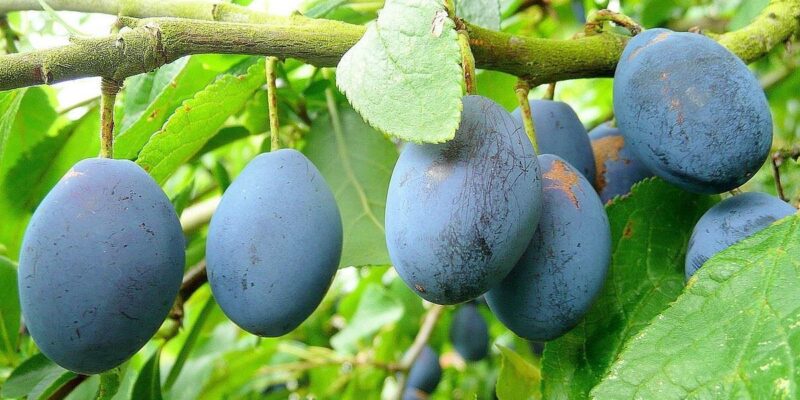
Damson trees’ fruits are small, dark purple and are prized for jam, preserves, gin infusions and traditional puddings, yet the trees themselves are often overlooked by gardeners planning an orchard or productive garden. Many people assume damsons behave much like plums, and while they are closely related, their growth habits, cropping patterns and culinary qualities can differ in ways that matter when choosing a tree.
Before planting one, it is worth understanding what makes damsons distinct and what conditions help them thrive. Gardeners who take a little time to consider these factors often end up with trees that are more productive, easier to manage and better suited to the space available.
The fruit trees specialists at ChrisBowers note that many gardeners begin their search by looking online for damson trees for sale without first considering rootstock size, pollination needs or the final use of the fruit. According to the nursery, the most successful purchases usually come from buyers who have thought about where the tree will grow, how large it should become and what they want from the harvest. Damsons are generally resilient and reliable, but choosing the right variety and planting conditions at the start can make a significant difference to long-term results.
Understanding the practical aspects of growing damsons is therefore the first step before bringing one into the garden.
Why Damsons Remain a Favourite in British Gardens
Damsons have a strong historical connection with British horticulture. Unlike many fruit varieties that were introduced more recently, damsons have been grown in the UK for centuries. The famous Shropshire damson orchards are perhaps the best known example, where the fruit became a staple for preserves and local recipes.
Part of their appeal lies in their reliability. Damson trees tend to cope better with the British climate than many dessert plums. They tolerate cooler temperatures, variable summers and heavier soils with less difficulty than more delicate fruit species. This makes them particularly suitable for gardens outside the warmest regions of southern England.
Another reason gardeners appreciate damsons is their consistent cropping. While apples and pears can sometimes produce large harvests one year and very little the next, damsons are often more regular once established. A mature tree can produce a significant quantity of fruit, enough for cooking, preserving and sharing.
The fruit itself has a character that differs from ordinary plums. Damsons are smaller and usually more astringent when eaten raw, but they develop a rich flavour when cooked. This intensity is exactly why they are valued for jams, chutneys and traditional desserts such as damson crumble. The natural acidity also makes them ideal for flavouring spirits, particularly damson gin.
From a horticultural perspective, damson trees are also adaptable. They can be grown as standard trees in orchards, trained against walls, or managed in smaller forms such as bush or half-standard shapes. This flexibility allows gardeners with different amounts of space to consider growing them.
However, adaptability does not mean that all damson trees behave the same way. Understanding size, rootstock and growth habits is one of the first important considerations when choosing a tree.
Thing One: Size, Rootstock and the Space You Actually Have
One of the most common mistakes gardeners make when buying fruit trees is underestimating their eventual size. Damson trees, like apples and pears, are grafted onto rootstocks that determine how large the tree will grow and how quickly it will mature.
A damson grown on a vigorous rootstock can eventually reach six metres or more in height and spread if left unpruned. In a traditional orchard this is not usually a problem, but in an average suburban garden it may quickly dominate the available space.
More compact rootstocks are therefore often a better choice for home gardeners. These allow the tree to remain smaller while still producing a good crop of fruit. A bush tree on a semi-vigorous rootstock, for example, may reach around three to four metres, which is easier to manage and harvest.
The final size of the tree also influences pruning requirements. Larger trees often need ladders for maintenance and picking fruit, whereas smaller trees can be managed from the ground. For many gardeners this practical consideration becomes more important over time.
Spacing is another key factor. Damsons should not be planted too close to buildings, fences or other trees. Adequate airflow helps prevent disease and allows sunlight to reach the developing fruit. A cramped tree may still grow, but it is less likely to crop well.
Gardeners sometimes assume they can control size purely through pruning. While pruning helps maintain shape, the rootstock ultimately determines the tree’s natural vigour. Starting with the correct rootstock is therefore the most effective way to ensure the tree suits the space available.
It is also worth thinking about how the tree will fit into the wider garden design. A damson tree can provide spring blossom, summer foliage and autumn fruit, making it both ornamental and productive. When positioned thoughtfully, it can become a long-lasting feature of the garden rather than simply another fruit plant.
Considering these structural factors before purchasing a tree helps avoid the disappointment of an overcrowded or difficult-to-manage planting later on.
Thing Two: Pollination and Variety Choice Matter More Than Many Expect
Another point many first-time growers overlook is pollination. While damsons are generally more self-fertile than many plums, variety selection can still affect cropping reliability.
Some damson varieties are fully self-fertile, meaning they can produce fruit without another compatible tree nearby. Others perform better when cross-pollinated with a related variety. In gardens where space allows, planting two different varieties can increase yields and extend the harvest period.
Traditional British varieties remain popular for good reason. ‘Merryweather’, for example, is widely known for producing large crops of classic damson fruit. ‘Farleigh’ is another long-standing variety valued for its strong flavour and dependable performance.
Different varieties may also vary slightly in ripening time. This can be useful for gardeners who want to spread their harvest over several weeks rather than dealing with a single large crop at once.
Local climate should also influence variety choice. In cooler northern regions or exposed gardens, selecting hardy varieties known to perform well in those conditions can improve the chances of success. Nurseries often recommend varieties that have shown consistent results across the UK climate.
Flowering time plays a role as well. Damsons typically blossom in spring, and late frosts can occasionally damage the flowers. Trees planted in sheltered locations, such as near a south-facing wall or hedge, may be less exposed to sudden cold snaps.
Another factor to consider is disease resistance. While damsons are generally robust, certain varieties may show greater resilience to common issues such as silver leaf disease. Choosing a healthy, well-grown tree from a reputable nursery is often the best protection.
For gardeners new to fruit growing, variety descriptions provided by nurseries can offer useful guidance. These notes often include information about cropping habits, fruit size, flavour and recommended uses.
By selecting the right variety from the beginning, gardeners improve their chances of enjoying consistent harvests rather than uncertain results.
Thing Three: Damsons Are Grown Primarily for Cooking, Not Fresh Eating
Perhaps the most important thing to understand before planting a damson tree is how the fruit is typically used. Unlike many modern plums, damsons are rarely grown as dessert fruit.
Their flavour when raw is usually sharp and acidic. While some people enjoy them fresh, most gardeners find they are best used in cooking. Heat transforms the fruit, bringing out a deep, rich flavour that works well in traditional British recipes.
Jam making is perhaps the most common use. Damsons contain a good balance of acidity and natural pectin, which helps produce a well-set preserve without excessive added ingredients. The resulting jam has a distinctive dark colour and strong fruit flavour.
They are also well suited to pies, crumbles and baked desserts. Because the fruit softens readily when cooked, it blends easily with sugar and pastry to create classic autumn dishes.
Another popular use is in homemade liqueurs. Damson gin is a long-standing British favourite, made by steeping the fruit in gin with sugar over several months. The result is a rich, ruby-coloured drink with a deep fruit aroma.
Gardeners who expect damsons to taste like supermarket plums may initially be surprised by their sharpness. However, those who enjoy cooking often find damsons extremely rewarding.
The heavy crops produced by mature trees also encourage creative use of the fruit. Many gardeners end up experimenting with chutneys, sauces or even freezing fruit for later use.
Understanding this culinary character before planting ensures expectations match reality. Damsons are not primarily grown for eating straight from the tree; they are grown for the flavour they bring to the kitchen.
Buying from a Nursery: What to Look for Before You Purchase
Once gardeners understand size, variety and fruit use, the next step is selecting a healthy tree from a reliable nursery. This stage can make a considerable difference to how well the tree establishes itself in the garden.
Reputable nurseries usually provide detailed information about rootstock, tree age and recommended planting conditions. These details help buyers make informed choices rather than selecting a tree based purely on price or appearance.
When searching online, gardeners will often encounter listings advertising damson trees for sale. It is important to look beyond the headline and examine the specific characteristics of the tree being offered. Rootstock type, tree shape and age can all affect how the tree performs after planting.
Bare-root trees are commonly available during the dormant season, typically from late autumn to early spring. These trees are often good value and establish well if planted promptly. Container-grown trees can be planted at other times of year but may cost slightly more.
Checking the reputation of the nursery is also worthwhile. Specialist fruit tree growers tend to offer better advice and a wider selection of varieties than general garden centres.
Packaging and delivery methods matter too. Fruit trees should arrive with roots protected from drying out and branches carefully packed to avoid damage during transport.
Another useful consideration is aftercare guidance. Many nurseries provide instructions on planting depth, staking and watering, which can greatly improve establishment success.
Taking time to choose the right nursery and tree may seem like a small step, but it often determines how quickly the tree settles and begins to produce fruit.
Planting and Long-Term Care for a Productive Damson Tree
After purchasing the tree, careful planting and maintenance help ensure long-term success. Damsons are relatively forgiving, but they still benefit from good preparation.
The planting site should ideally receive full sun for most of the day. Sunlight encourages stronger growth and better fruit ripening. While damsons tolerate partial shade, heavily shaded locations may reduce cropping.
Preparing the soil is just as crucial. Damsons can withstand heavier earth than some fruit trees, although they require rich, well-drained soil. Soil structure and nutrient availability are enhanced by the addition of organic matter, such as compost or well-rotted manure.
Particularly in windy areas, newly planted trees should be firmly secured. This stops roots from moving during the first few years of the tree’s establishment.
During the establishment phase, watering is especially crucial. In order to maintain healthy root development, young trees may need extra water during dry spells, even in the UK climate.
Pruning is generally straightforward. Damsons are usually pruned in summer rather than winter to reduce the risk of disease. The aim is to maintain an open structure that allows light and air to circulate through the branches.
Feeding the tree annually with a balanced fertiliser or organic mulch can encourage steady growth and fruit production. As the tree matures, fruit thinning may occasionally be necessary if crops become extremely heavy.
With appropriate care, a damson tree can remain productive for decades. Many older British gardens still contain damson trees planted generations ago, continuing to produce fruit each autumn.
By understanding these practical considerations before planting, gardeners are more likely to enjoy the long-term rewards that damsons can offer.
In the end, buying a damson tree is not simply about adding another fruit plant to the garden. It is about choosing a tree that fits the available space, suits the local climate and produces fruit that will actually be used. With the right preparation and expectations, damsons can become one of the most reliable and rewarding fruit trees in a British garden.